Carpet hides a lot. It can look fine from the doorway while fine grit, pet dander, pollen and winter road salt settle deep into the pile, slowly grinding down the fibers every time someone walks across the room. Homeowners in Rockville, Ellicott City, Glen Burnie and Frederick often ask us the same thing: if I vacuum regularly, do I really need professional carpet cleaning, and how often?
The short answer is that vacuuming and deep cleaning do two different jobs, and your carpet needs both. This guide explains the difference, gives you a realistic schedule by household type and room, and shows how Maryland’s seasons, from salty winters to humid summers, change the plan.
Key takeaways
- Vacuuming removes loose surface soil. Deep cleaning, usually hot water extraction, flushes out sticky, embedded soil and oily residue that a vacuum cannot reach.
- Most homes benefit from professional deep cleaning about every 12 to 18 months. Homes with pets, kids, smokers or allergy sufferers often need it every 6 to 12 months.
- Many carpet manufacturers require periodic professional hot water extraction, often every 12 to 24 months, to keep the warranty valid. Check yours and keep receipts.
- Vacuum high-traffic areas several times a week and the rest of the home weekly.
- Treat spills right away, and make sure wet carpet dries fast. The EPA advises drying water-damaged materials within 24 to 48 hours to help prevent mold.
- In Maryland, plan a clean after winter salt season and before or after the spring pollen peak.

In this guide
- Vacuuming vs. deep cleaning: what each one does
- How often carpets should be deep cleaned
- How often to vacuum, room by room
- Carpet warranties and professional cleaning
- Professional carpet cleaning methods compared
- Maryland seasonal carpet care
- Signs your carpet needs a deep clean now
- How to keep carpets cleaner between visits
- Common carpet cleaning mistakes
- Frequently asked questions
Vacuuming vs. Deep Cleaning: What Each One Does
Think of carpet soil in two layers. The top layer is dry, loose material: dust, crumbs, hair and sand. A good vacuum picks most of that up. The deeper layer is different. Cooking oils carried on shoes, body oils from bare feet, spilled drinks and pet residue act like glue, holding fine particles against the fibers near the backing. A vacuum simply cannot pull that sticky layer free.
Over time, that trapped grit works like sandpaper. Each footstep rubs it against the fibers, which dulls the color and wears paths in hallways and in front of sofas. That is why a carpet can be vacuumed faithfully and still look gray and matted in traffic lanes.
| Factor | Regular vacuuming | Professional deep cleaning |
|---|---|---|
| What it removes | Loose dust, hair, crumbs, sand | Embedded grit, oily soil, residue, many stains |
| How often | Several times a week to weekly | Every 6 to 18 months depending on household |
| Who does it | You or your regular cleaner | Trained technician with commercial equipment |
| Main benefit | Keeps surface looking tidy, reduces dust | Restores appearance, extends carpet life, supports warranty |
| Typical equipment | Upright or canister vacuum, ideally with a HEPA filter | Hot water extraction or low-moisture systems |
Both matter. Vacuuming is the daily defense; deep cleaning is the periodic reset. Our regular house cleaning service covers thorough vacuuming on every visit, while our carpet and upholstery cleaning service handles the deep reset.
How Often Should Carpets Be Deep Cleaned?
There is no single rule for every home. How often carpets need professional cleaning depends mostly on foot traffic, pets, children and health needs. Use this table as a practical guide.
| Household type | Suggested professional deep cleaning | Why |
|---|---|---|
| One or two adults, no pets, shoes-off home | Every 12 to 18 months | Low soil load; mainly protects appearance and warranty |
| Family with young children | Every 6 to 12 months | Spills, crumbs and floor play add sticky residue fast |
| One or more dogs or cats | Every 6 to 12 months | Dander, oils, tracked-in dirt and accidents |
| Allergy or asthma sufferers in the home | Every 6 to 12 months | Helps reduce trapped allergens alongside HEPA vacuuming |
| Smokers in the home | Every 6 months | Smoke residue clings to fibers and causes odor and yellowing |
| Short-term rental or rental property | Between tenants and at least yearly; spot clean between guests | Heavy, varied traffic and guest expectations |
Rooms that need more attention
Even within one home, not every carpet ages at the same rate. Entry areas, hallways, stairs and the path from the kitchen to the family room collect the most soil. Many homeowners save money by having traffic lanes and stairs cleaned more often and guest bedrooms less often.

How Often to Vacuum, Room by Room
Consistent vacuuming is the single best way to stretch the time between deep cleanings. Here is a schedule we recommend to clients:
- Entryways, mudrooms and hallways: two to three times a week, daily in wet or snowy weather.
- Living and family rooms: two times a week, more with pets.
- Stairs: weekly, using a hand tool or upholstery attachment on each tread and riser edge.
- Bedrooms: weekly, including under the bed edge where dust collects.
- Guest rooms and formal rooms: every one to two weeks.
- Area rugs: weekly, flipping occasionally to vacuum the back if the rug allows it.
Vacuuming technique that actually works
- Pick up small objects first so they do not clog the brush roll.
- Set the beater bar height for your carpet pile. Too low strains the motor; too high leaves soil behind.
- Go slowly. Several overlapping passes in different directions lift far more grit than one fast pass.
- Use the crevice tool along baseboards and edges once a week.
- Empty the bin or change the bag before it is full, and clean or replace filters per the manufacturer.
If you have pets, our guide on how to get rid of pet hair covers attachments and tools that help, and our cleaning for allergies guide explains why a sealed HEPA vacuum matters for sensitive households.

Carpet Warranties and Professional Cleaning
Many people do not realize that their carpet warranty may come with cleaning conditions. Major manufacturers commonly require periodic professional cleaning, often by hot water extraction, at intervals that typically fall somewhere between 12 and 24 months depending on the brand and product line. Some also require that you use equipment or products from the Carpet and Rug Institute’s Seal of Approval program.
How to protect your warranty
- Find your warranty paperwork or look up your carpet style on the manufacturer’s website.
- Note the required cleaning interval and method.
- Keep dated receipts from every professional cleaning in a folder or on your phone.
- Avoid cleaning products or stain removers the manufacturer warns against, such as some high-alkaline or bleach-based spotters.
Rentals are a special case. If you are a tenant moving out, your lease may say something about carpet cleaning. Our Maryland move-out cleaning checklist explains what usually counts as normal wear and tear, and our move-in and move-out cleaning service can be paired with carpet cleaning in one visit.
Professional Carpet Cleaning Methods Compared
Not all carpet cleaning is the same. Here is a plain-language look at the main methods you will hear about.
Hot water extraction
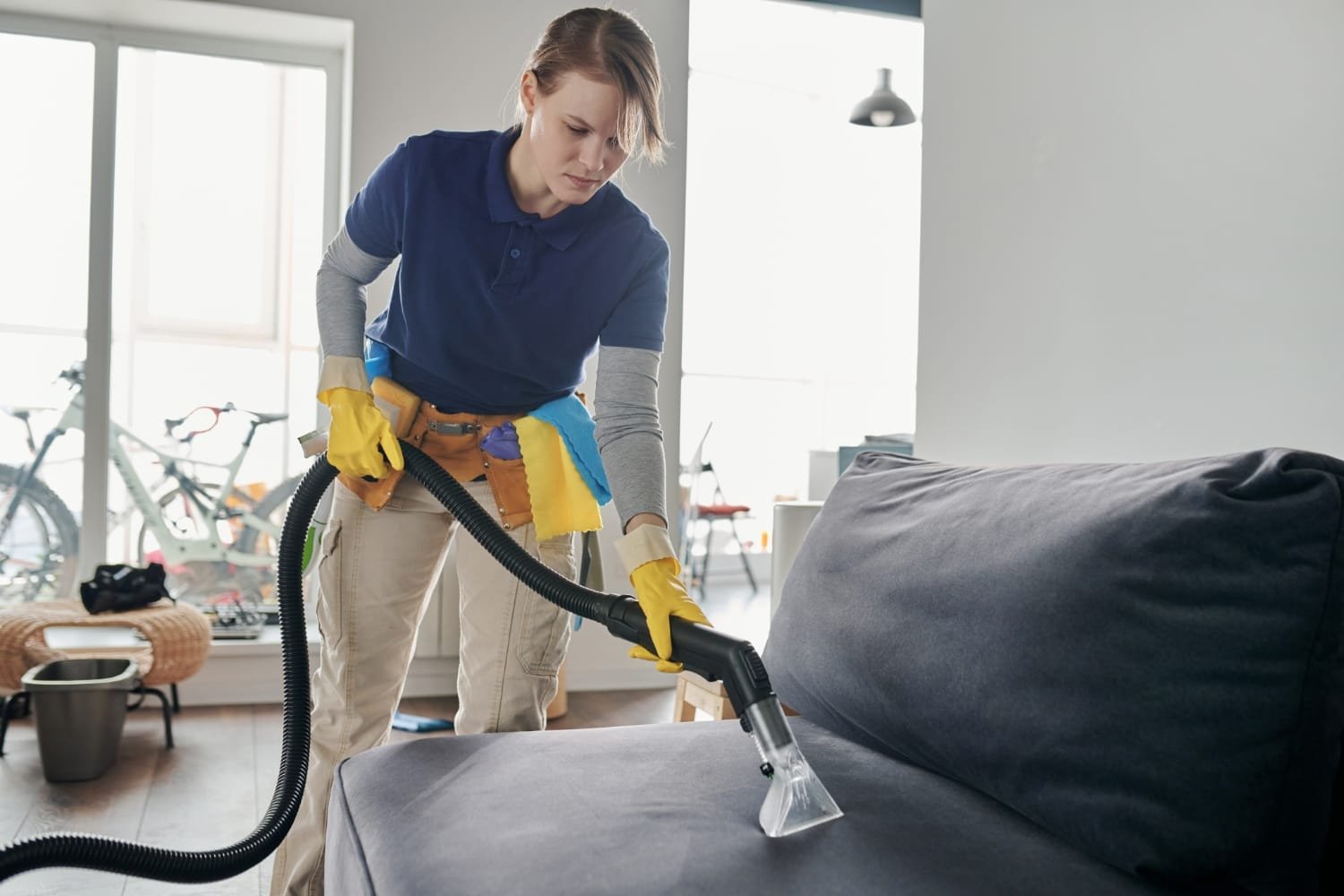
Often called steam cleaning, this method sprays heated water and cleaning solution into the carpet and then extracts it with powerful suction, rinsing out embedded soil. It is the method most manufacturers name in their warranties. Drying usually takes several hours and depends on airflow and humidity.
Low-moisture encapsulation
A special solution is worked into the fibers, where it dries into crystals that trap soil. The crystals are then vacuumed away. It dries faster and suits light to moderate soil and commercial spaces, but it is not a full rinse.
Bonnet cleaning
A rotating pad absorbs soil from the top of the pile. It can freshen appearance quickly, but it mainly cleans the surface and is better suited to interim maintenance than to deep restoration.
Dry compound cleaning
An absorbent powder is brushed in and vacuumed out. It uses very little water, which can be useful for delicate situations, but results on heavily soiled carpet vary.
For most Maryland homes with moderate to heavy soil, hot water extraction delivers the most thorough clean. Rugs made of wool or natural fibers may need gentler solutions and careful temperature control, so always tell your technician what your carpet is made of.
Maryland Seasonal Carpet Care
Maryland’s climate puts carpets through a lot in one year. Timing your deep cleaning around the seasons helps.
| Season | Main carpet challenge | What to do |
|---|---|---|
| Winter | Road salt, slush and mud tracked in from treated roads | Use heavy-duty mats, remove shoes, vacuum entries daily, blot salt residue with warm water |
| Spring | Tree pollen, mud season and open windows | Book a deep clean after salt season, vacuum with HEPA more often during pollen peaks |
| Summer | High humidity slows drying and can encourage musty odors | Run AC or a dehumidifier after cleaning, use fans, avoid over-wetting |
| Fall | Leaves, dirt and pre-holiday traffic | Schedule a clean before Thanksgiving guests arrive |
Humidity is the factor many people overlook. The U.S. Environmental Protection Agency advises drying water-damaged materials and furnishings within 24 to 48 hours to help prevent mold growth. After any carpet cleaning, especially in muggy July and August weather, keep air moving with fans and air conditioning until the carpet is fully dry. If your basement carpet ever gets soaked from a leak or flood, that is a moisture problem first, not just a cleaning job.
For a full seasonal plan, see our spring cleaning checklist for Maryland homes and our holiday cleaning checklist.
Signs Your Carpet Needs a Deep Clean Now
Do not wait for the calendar if you notice any of these:
- Visible traffic lanes or a gray, flattened look in hallways and in front of furniture.
- Musty or pet odors that return soon after vacuuming.
- Spots that reappear after you clean them, often a sign of residue deep in the pile.
- More sneezing or allergy symptoms indoors.
- Dark lines along baseboards and under doors.
- You are preparing to sell, list a rental or welcome a new baby.

How to Keep Carpets Cleaner Between Visits
- Stop dirt at the door. Use a coarse outdoor mat and an absorbent indoor mat at every entrance.
- Go shoes-off. A basket or rack by the door makes it easy for family and guests.
- Blot spills immediately. Use a clean white cloth, blot from the outside in and never scrub, which spreads the stain and frays fibers.
- Test spot cleaners first. Try any product in a hidden spot such as a closet corner before using it on a visible area.
- Rinse after spotting. Leftover soap attracts dirt, so blot with plain water after treating a stain.
- Rearrange furniture occasionally. Shifting rugs and furniture spreads wear more evenly.
- Use furniture coasters. They reduce crushing and indentations in the pile.
- Keep humidity in check. Indoor humidity that stays high can lead to musty smells. A dehumidifier helps in basements.
If you prefer non-toxic products for spot cleaning, our article on green cleaning products explains what works, and our green cleaning service offers eco-friendly options. Homes with infants can also see our baby-safe cleaning guide.
Common Carpet Cleaning Mistakes
- Over-wetting with rental machines. Too much water can soak the pad and backing, which slows drying and may cause odors, shrinkage or mold.
- Using too much shampoo. Soap residue left behind becomes a dirt magnet and makes carpet resoil faster.
- Scrubbing stains. Rubbing untwists fibers and leaves a fuzzy, permanent texture change.
- Waiting too long between cleanings. The longer grit stays, the more permanent damage it causes to fibers.
- Walking on damp carpet in street shoes. It transfers dirt right back into freshly cleaned fibers.
- Ignoring the warranty. Skipping required professional cleanings can leave you without coverage if a defect appears.
When to call a professional
Call a professional when traffic lanes will not lift with vacuuming, odors persist, your warranty requires it, or you are getting a home ready for sale or new tenants. Pairing carpet cleaning with a whole-home deep cleaning or tile and grout cleaning is an efficient way to refresh every floor at once. Curious how carpet cleaning fits into overall costs? See our house cleaning cost guide or the pricing page.
Frequently Asked Questions
How often should carpets be professionally cleaned?
Most homes do well with professional deep cleaning every 12 to 18 months. Homes with pets, young children, smokers or allergy sufferers often benefit from cleaning every 6 to 12 months. Check your carpet warranty, since many manufacturers set a required interval.
Is vacuuming enough to keep carpet clean?
No. Vacuuming removes loose dust and debris, but it cannot remove oily, sticky soil that bonds to fibers deeper in the pile. Periodic hot water extraction is needed to rinse that out and slow wear.
How often should I vacuum my carpet?
Vacuum high-traffic areas such as entries, hallways and living rooms two to three times a week, and bedrooms and lower-traffic rooms weekly. Homes with pets or allergies may need daily vacuuming in busy areas.
Does carpet cleaning affect my warranty?
It can. Many carpet manufacturers require periodic professional cleaning, often by hot water extraction, to keep the warranty valid. Read your warranty, follow the stated interval and keep dated receipts.
How long does carpet take to dry after professional cleaning?
Drying usually takes several hours after hot water extraction, depending on carpet type, airflow and humidity. In humid Maryland summers, running air conditioning or fans helps carpet dry faster.
What is the best time of year to clean carpets in Maryland?
Many Maryland homeowners schedule a deep clean in spring after winter road salt and mud season, and another in fall before holiday guests arrive. Avoid scheduling during very humid stretches unless you can run AC or a dehumidifier.
Schedule Professional Carpet Cleaning in Maryland
Ready to bring your carpets back to life? MD Clean Up’s background-checked, insured technicians clean carpets and upholstery in homes across Silver Spring, Columbia, Annapolis, Bel Air and Laurel, with eco-friendly product options and a 24-hour re-clean promise. Browse all our services, read what clients say on our reviews page, or call (301) 313-5877.