
Sneezing every time you make the bed? Itchy eyes the moment you sit on the couch? For millions of people, the biggest allergy triggers are not outdoors at all. They live in the dust on bookshelves, the fibers of carpets and the pillow you sleep on every night. And in Maryland, with tree pollen in spring, ragweed in fall and humid summers in between, the outdoor allergens find their way inside too.
Cleaning cannot cure allergies, and it will not remove every allergen. The EPA notes that dust mites, pollen and animal dander can be reduced, though not eliminated, through regular cleaning. But the right methods make a real difference. Here is the allergy-friendly approach our cleaners use in homes from Silver Spring to Baltimore and Frederick, explained so you can do it yourself.
Key takeaways
- Trap allergens instead of moving them: damp-dust with microfiber and vacuum with a sealed HEPA filter.
- The bedroom matters most. Wash sheets and pillowcases weekly in water of at least 130°F, as recommended by the Asthma and Allergy Foundation of America (AAFA), and use allergen-proof covers.
- Keep indoor humidity between about 30% and 50% to discourage dust mites and mold.
- Match your routine to Maryland’s pollen calendar: trees in spring, grasses in late spring and summer, ragweed from late summer until the first hard frost.
- Choose fragrance-free or low-odor products and never mix cleaners. Harsh fumes can irritate sensitive airways.
In this guide
- The most common indoor allergens
- Five rules of allergy-friendly cleaning
- The bedroom: your top priority
- Living areas, carpets and upholstery
- Kitchen and bathroom: moisture and mold
- Air filters, ventilation and humidity
- A Maryland seasonal allergy cleaning plan
- Choosing products for sensitive households
- Common mistakes that make allergies worse
- When to call a professional
- Frequently asked questions
The Most Common Indoor Allergens
Knowing what you are fighting helps you clean smarter. Each allergen has a favorite hiding place and a method that works best against it.
| Allergen | Where it collects | What helps most |
|---|---|---|
| Dust mites | Mattresses, pillows, bedding, upholstered furniture, carpet | Hot-water washing, allergen-proof covers, humidity below 50%, HEPA vacuuming |
| Pollen | Window sills, entryways, clothing, hair, pet fur, carpets | Windows closed on high-pollen days, shoes off at the door, frequent vacuuming and damp-dusting |
| Pet dander | Upholstery, carpets, mattresses, walls and smooth surfaces | HEPA vacuuming, washing pet bedding, pet-free bedrooms, periodic deep cleaning |
| Mold | Bathrooms, basements, under sinks, window frames, laundry areas | Fix leaks, ventilate, keep humidity in check, clean small areas promptly |
| Cockroach allergens | Kitchens, behind appliances, under sinks | Store food sealed, clean crumbs and grease, fix water leaks |
Why the same home can feel better or worse by season
Dust mites thrive in warm, humid air, so Maryland summers can be tough for mite-sensitive people unless the air conditioner or a dehumidifier keeps humidity down. Pollen, on the other hand, comes in waves that follow the outdoor plant calendar. A good cleaning plan accounts for both.
Five Rules of Allergy-Friendly Cleaning
- Capture, do not scatter. Feather dusters and dry sweeping launch fine particles into the air, where they float and resettle. Use a slightly damp microfiber cloth and a vacuum with a sealed HEPA filter. The EPA explains that a HEPA filter can theoretically capture at least 99.97% of airborne particles at 0.3 microns.
- Work top to bottom. Dust ceiling fans, shelves and high surfaces first, then furniture, then floors last so you pick up everything that falls.
- Focus on soft surfaces. Fabrics hold far more allergens than hard surfaces. Wash what you can and vacuum or deep clean the rest.
- Control moisture. Dust mites and mold both need humidity. Drying the air is one of the most effective “cleaning” steps you can take.
- Protect the allergy sufferer. If possible, the person with allergies should not be the one vacuuming or dusting, or should wear a well-fitting mask and leave the room for a while afterward so stirred-up dust can settle.

The Bedroom: Your Top Priority
You spend roughly a third of your life in bed, with your face inches from the pillow. That makes the bedroom the single most important room for anyone with indoor allergies, especially to dust mites.
Bedroom allergy checklist
- Wash bedding weekly in hot water. AAFA recommends washing sheets and other bedding every week in water that is at least 130°F. If an item cannot be washed hot, Mayo Clinic suggests drying it for at least 15 minutes at a temperature above 130°F, then washing and drying it to remove the allergens.
- Use allergen-proof covers (zippered, tightly woven encasements) on the mattress, box spring and pillows.
- Cut the clutter. Stuffed animals, piles of books and decorative pillows are dust collectors. Keep surfaces clear so they are quick to wipe.
- Choose washable window treatments. Blinds and curtains collect dust and pollen; wash or wipe them regularly.
- Keep pets out if anyone in the room is allergic to them.
- Vacuum under the bed at least weekly, including the bed frame and headboard.
Our laundry and folding service can take weekly bedding off your list, and our home organizing service helps clear the clutter that makes dusting harder.
Living Areas, Carpets and Upholstery
Carpets and upholstered furniture are reservoirs for dust mites and pet allergens. Research on cat allergen, for instance, has identified carpets, upholstered furniture and mattresses as major indoor stockpiles. That does not mean you have to rip out every carpet, but it does mean these surfaces need consistent care.
Living room routine
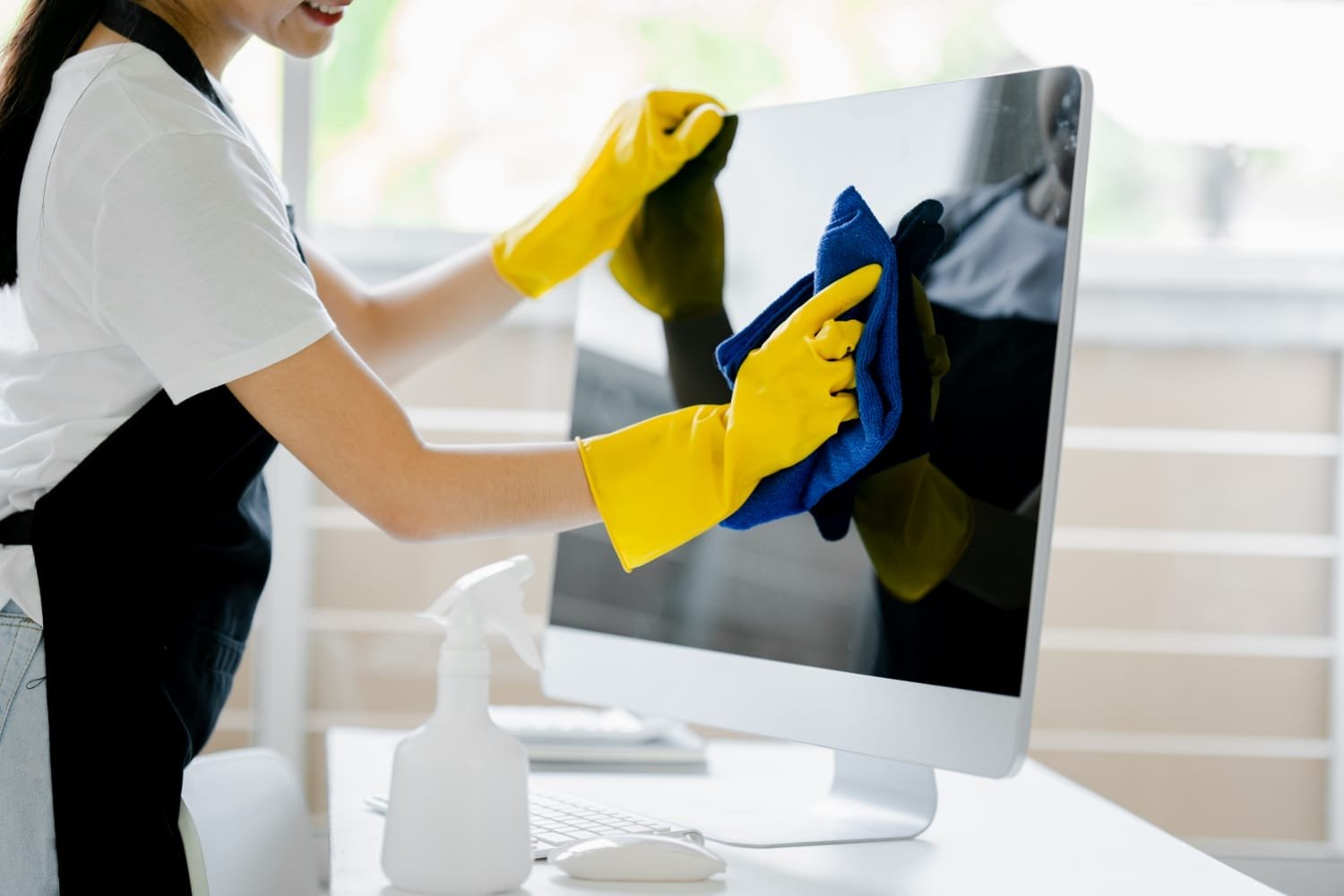
- Damp-dust shelves, picture frames, electronics, lamps and window sills.
- Vacuum upholstered furniture with the upholstery attachment, including under cushions.
- Vacuum carpet slowly in two directions, at least twice a week in allergy season.
- Damp-mop hard floors after vacuuming to pick up the finest dust.
- Wash throws and pillow covers regularly.
Pet owners have extra work here. Our guide to getting rid of pet hair covers rubber-glove tricks, laundry tips and how to tackle dander in furniture. For carpets and couches that still trigger symptoms after vacuuming, professional carpet and upholstery cleaning uses hot water extraction to reach deeper.

Kitchen and Bathroom: Moisture and Mold
Kitchens and bathrooms produce the most moisture in the house, which is why they are prime spots for mold and mildew. The EPA advises that the key to mold control is moisture control: fix leaks, dry wet areas quickly and ventilate.
Bathroom tips
- Run the exhaust fan during showers and for a while afterward, or open a window.
- Squeegee or towel-dry shower walls and glass after use.
- Wash bath mats and towels often and let them dry completely.
- Clean grout, caulk and the corners of the shower regularly before mildew takes hold.
- Check under the sink for drips.
Hard water and soap scum give mildew more to cling to, so our hard water stain removal guide is a useful companion here. For a full reset, our bathroom deep cleaning service covers grout, fixtures and vents.
Kitchen tips
- Use the range hood when cooking and clean its filter on schedule.
- Wipe up crumbs and spills daily, and store food in sealed containers to discourage cockroaches.
- Empty and clean the refrigerator drip pan and check for mold on door gaskets.
- Take out trash and recycling regularly.
Appliances like ovens, range hoods and refrigerators are covered in detail by our kitchen appliance cleaning service.

Air Filters, Ventilation and Humidity
Humidity: the hidden lever
AAFA recommends keeping indoor humidity between 30% and 50%, using an air conditioner or dehumidifier when needed. EPA guidance gives a similar target and notes that keeping humidity below about 50% in problem areas helps prevent condensation on building materials. An inexpensive hygrometer from a hardware store tells you where you stand. Maryland basements and summer months are the most common trouble spots.
HVAC filters and air cleaners
- Replace or clean HVAC filters on the schedule your system manufacturer recommends, and more often in heavy pollen seasons or homes with pets.
- A portable air cleaner with a true HEPA filter can help in the bedroom. The American College of Allergy, Asthma and Immunology notes that HEPA air purifiers can remove particles that trigger pet allergies.
- Dust supply vents and return grilles monthly so they are not blowing settled dust around.
Ventilation without the pollen
Fresh air dilutes indoor pollutants, but opening windows on a high-pollen day invites pollen in. Check a daily pollen forecast and air the house out when counts are lower, often after a rain.
| Measure | Target or schedule | Why it helps |
|---|---|---|
| Indoor humidity | About 30% to 50% | Discourages dust mites and mold growth |
| Bedding wash | Weekly, at least 130°F water | Kills dust mites; washing removes allergens |
| Vacuuming | At least twice a week in allergy season | Removes settled dust, pollen and dander |
| Damp-dusting | Weekly | Traps fine particles instead of spreading them |
| HVAC filter | Per manufacturer, more often in peak seasons | Captures particles circulating through the house |
A Maryland Seasonal Allergy Cleaning Plan
Maryland’s pollen calendar is fairly predictable. The Maryland Department of Health describes trees as the early-season pollen source, and University of Maryland Medical System guidance places tree pollen at its peak around April. Grasses pick up from May into summer, and ragweed is the leading cause of fall seasonal allergies, often lasting until the first killing frost.
Spring (trees)
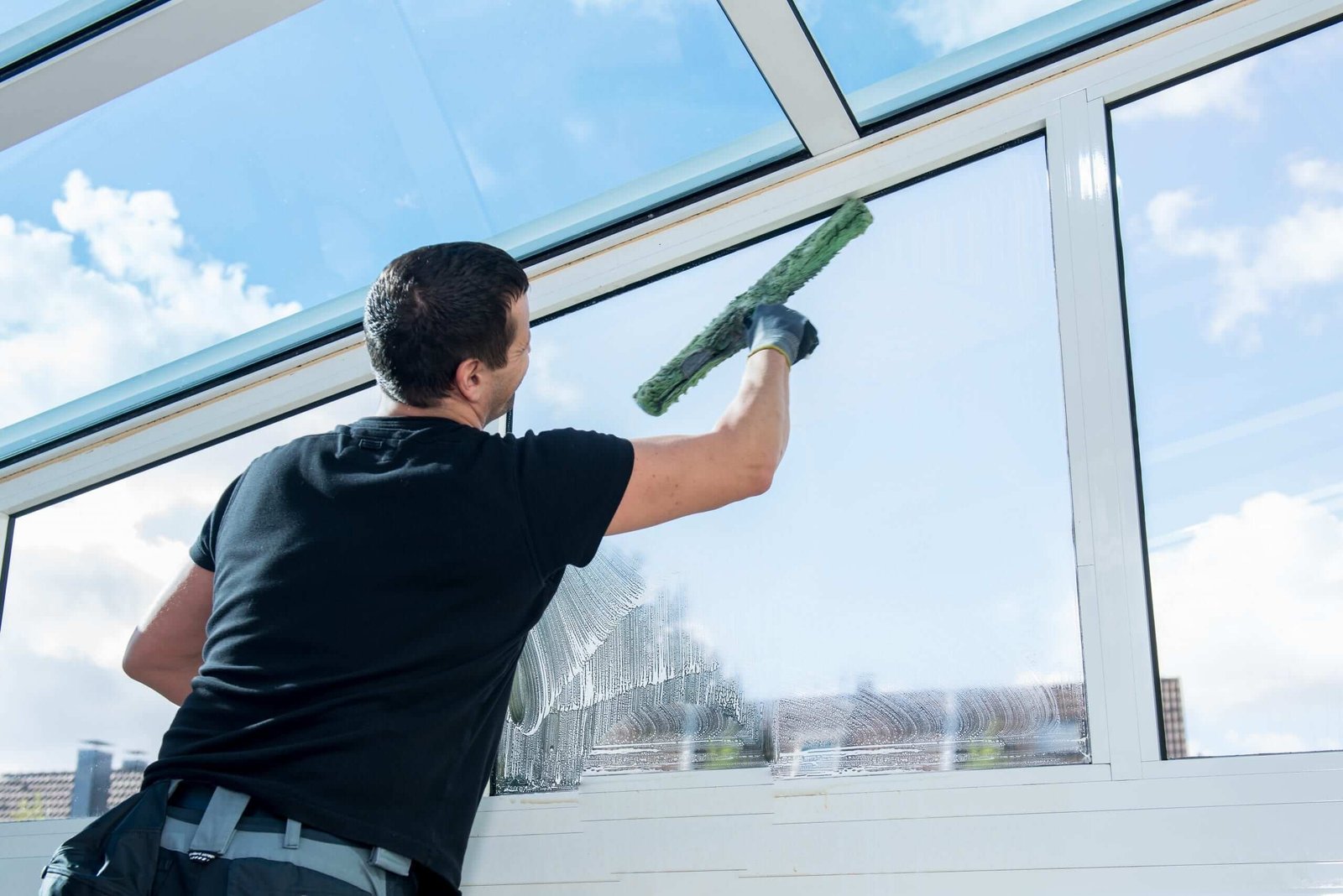
- Clean window tracks, sills and screens early, before the yellow dust arrives. Our window cleaning team can handle inside and outside glass.
- Keep windows closed on high-count days and run the AC with a fresh filter.
- Wipe down patio furniture and entry doors often.
- Use our spring cleaning checklist for Maryland homes for a full room-by-room plan.
Summer (grasses and humidity)
- Watch humidity and run a dehumidifier in basements.
- Shower and change clothes after yard work or time outdoors.
- Wash outdoor cushions and doormats.
Fall (ragweed and mold)
- Keep vacuuming and dusting frequent through ragweed season.
- Clear damp leaves away from entryways, where mold grows.
- Change the furnace filter before the heating season starts.
Winter (indoor allergens)
- With windows shut, dust mites and pet dander dominate. Keep up with weekly bedding washes.
- Avoid over-humidifying. Aim to stay within the healthy range rather than pushing humidity high to fight dry air.
- Schedule a top-to-bottom clean in late winter to reset the house before spring.
Choosing Products for Sensitive Households
For people with asthma or chemical sensitivities, the cleaning products themselves can be a trigger. A few simple guidelines help:
- Go fragrance-free or low-odor. Added fragrance does not make anything cleaner, and strong scents can irritate airways.
- Look for third-party labels. The EPA’s Safer Choice label identifies products whose ingredients have been reviewed for human health and environmental safety.
- Use liquids or wipes, not sprays, where possible. Spraying a cloth instead of the air reduces how much product you breathe in.
- Never mix products. Combining bleach with ammonia or acids (such as some toilet bowl and vinegar-based cleaners) can release dangerous gases.
- Ventilate while you clean and for a while after.
Our green cleaning service uses eco-friendly product options, and families with infants can request our baby-safe cleaning for extra peace of mind.
Common Mistakes That Make Allergies Worse
- Dry dusting and sweeping. They stir up particles that resettle within hours.
- Using a vacuum without a sealed filter. Leaky machines can blow fine dust right back out of the exhaust.
- Emptying the vacuum indoors. Do it outside, directly into a trash bag.
- Washing bedding in cool water only. Cool water removes some allergens but does not kill dust mites.
- Running a humidifier too high. Humidity above about 50% feeds dust mites and mold.
- Ignoring the entryway. Shoes and coats carry pollen inside. A shoes-off rule and a washable doormat help.
- Cleaning only when symptoms flare. A steady routine keeps allergen levels lower all year.
When to Call a Professional
Professional help is worth considering when:
- The allergy sufferer is also the person doing most of the cleaning.
- Dust and dander have built up over months in carpets, vents and upholstery.
- You are moving into a home where previous occupants had pets or smoked.
- You want a seasonal reset before spring pollen or after a long winter indoors.
A one-time deep cleaning tackles baseboards, vents, ceiling fans, under furniture and inside cabinets, and recurring regular house cleaning keeps allergen levels down week after week. Not sure which you need? Our deep cleaning vs. regular cleaning comparison explains the difference, and our pricing page lists starting rates. Businesses can also ask about allergy-conscious office cleaning.
Important: if mold covers a large area or keeps returning, or if allergy or asthma symptoms are severe, talk to a qualified mold remediation professional and your doctor. Cleaning supports a healthy home but does not replace medical advice.
MD Clean Up cleaners are background-checked and insured, follow detailed checklists, and every visit is backed by our 24-hour re-clean promise. See what Maryland families say in our reviews, or browse common questions on our FAQ page.
Frequently Asked Questions
How often should I clean if I have allergies?
Most allergy-prone homes benefit from vacuuming carpets and rugs at least twice a week, damp-dusting weekly and washing bedding every week in hot water. During peak pollen seasons, more frequent vacuuming and entryway cleaning can help.
What temperature kills dust mites in the wash?
The Asthma and Allergy Foundation of America recommends washing bedding in water that is at least 130 degrees Fahrenheit. If an item cannot be washed that hot, drying it for at least 15 minutes above 130 degrees, then washing it, is a common alternative.
What humidity level is best for allergy sufferers?
Aim for indoor humidity between about 30 and 50 percent. Higher levels encourage dust mites and mold, so an air conditioner or dehumidifier helps during humid Maryland summers and in basements.
Is a HEPA vacuum worth it for allergies?
For most allergy sufferers, yes. A sealed HEPA vacuum traps fine particles such as dust mite debris, pollen and dander instead of blowing them back into the room. The EPA says HEPA filters can capture at least 99.97 percent of particles at 0.3 microns.
When is allergy season in Maryland?
Tree pollen starts in late winter and peaks around April, grass pollen picks up from May into summer, and ragweed is the main fall trigger, often lasting until the first hard frost. Indoor allergens such as dust mites and pet dander are present all year.
Can professional cleaners use fragrance-free products?
Yes. MD Clean Up offers eco-friendly and low-odor product options through our green cleaning service. Mention any allergies or sensitivities when you book and the team will plan around them.
Book an Allergy-Friendly House Cleaning in Maryland

Breathe easier at home without spending every weekend cleaning. MD Clean Up provides allergy-conscious cleaning across Maryland, including Germantown, Catonsville, Laurel and Olney. Call (301) 313-5877 or request a quote online and tell us about any allergies or sensitivities in your household.