
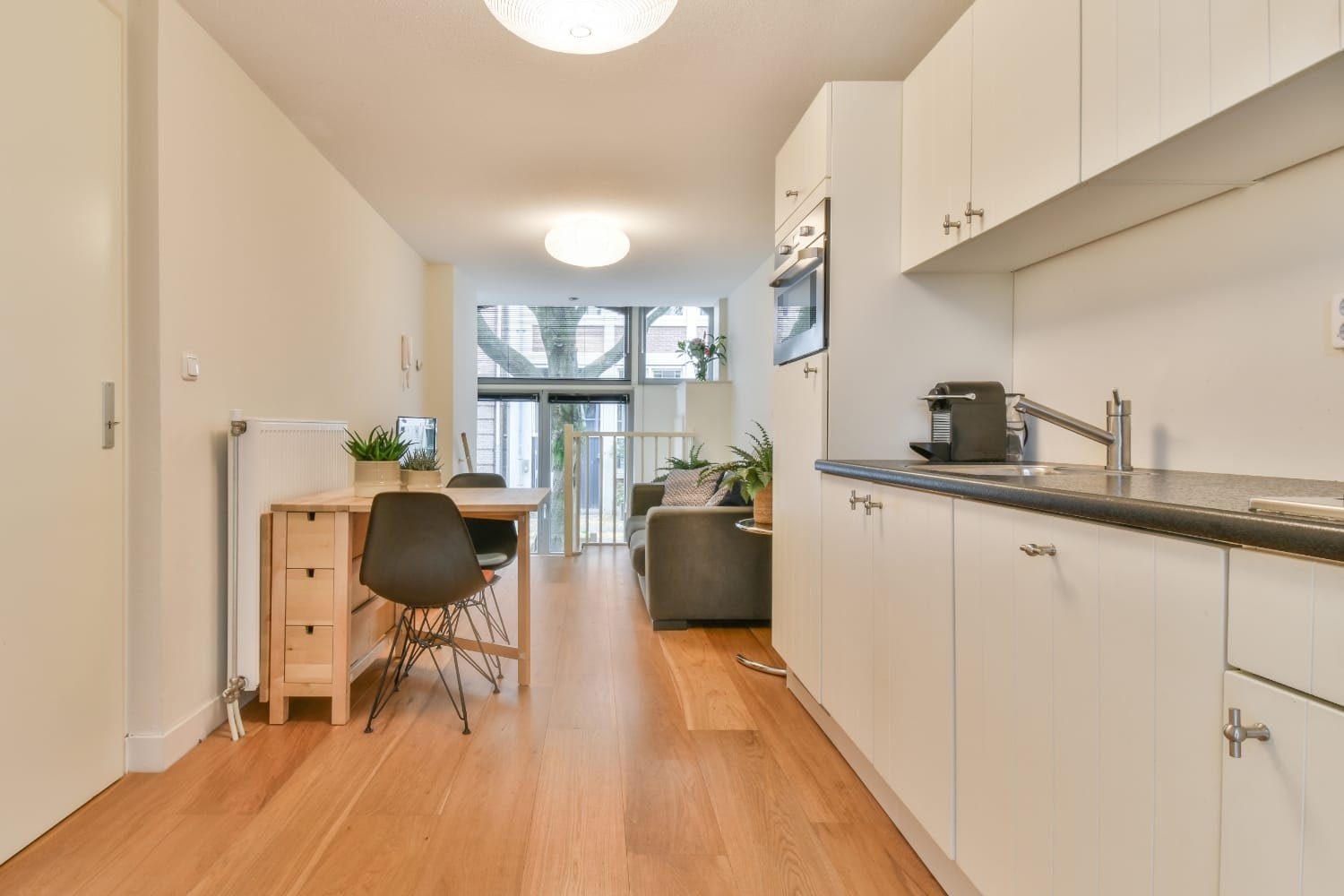
The keys are in your hand, the truck is booked and the boxes are stacked by the door. It is tempting to start unpacking the moment you walk in, but the hours before the furniture arrives are the only time your new home will ever be completely empty. That makes it the easiest moment you will ever have to clean behind appliances, inside every cabinet and along every baseboard.
Whether you are moving into a townhouse in Columbia, a high-rise apartment in Rockville, a waterfront rental in Annapolis or a starter home in Towson, this move-in cleaning checklist walks you through what to clean, in what order, and what to check for safety before you settle in.
Key takeaways
- Clean before you unpack: empty rooms take far less time and nothing gets trapped behind furniture.
- Work top to bottom and back to front: ceilings and vents first, floors last, ending at the exit.
- Prioritize the kitchen and bathrooms, the two rooms where hygiene matters most and previous grime hides best.
- Renters in Maryland can ask for a move-in inspection in writing; document the condition with dated photos before you clean.
- Use move-in day for safety checks too: smoke alarms, carbon monoxide alarms, HVAC filters and locks.
In this guide
- Why move-in cleaning matters (even if the home looks clean)
- Before you start: document, check and gather supplies
- The right cleaning order for an empty home
- Kitchen move-in checklist
- Bathroom move-in checklist
- Bedrooms, living areas and closets
- Move-in safety checks most people skip
- Common move-in cleaning mistakes
- When to hire a professional move-in clean
- Frequently asked questions
Why Move-In Cleaning Matters (Even If the Home Looks Clean)
A home can look tidy in listing photos and still carry months of buildup in places nobody photographs. Previous occupants rarely pull the refrigerator out, wipe the tops of door frames or scrub the inside of the dishwasher filter. Sellers and landlords often hire a quick turnover clean that focuses on what is visible during a showing.
There are three practical reasons to clean before you unpack:
- Hygiene. You do not know how the last household cooked, what pets they had or how often the bathrooms were scrubbed. Starting with clean food-prep surfaces and fixtures gives you a known baseline.
- Allergies. Pet dander, dust and pollen settle into carpets, vents and window tracks. If anyone in your family has allergies, a thorough first clean matters even more; our guide to cleaning for allergies explains which areas hold the most allergens.
- Time. Cleaning an empty room is dramatically faster than cleaning around a couch, a bed and twenty boxes. Every shelf you wipe now is a shelf you do not have to empty later.
Move-in vs. move-out cleaning: what is different?
A move-out clean is about leaving the home in the condition a landlord or buyer expects, which is why it focuses on passing an inspection. Our Maryland move-out cleaning checklist covers that side. A move-in clean is about your standards: sanitizing surfaces you will touch every day, setting up the home so it stays easy to clean, and catching problems before they become yours.
Before You Start: Document, Check and Gather Supplies
1. Photograph everything first (especially renters)
Before you wipe a single surface, walk through every room and take dated photos and a short video of walls, floors, appliances, counters, cabinets and fixtures. Cleaning can hide or reveal damage, and you want a record of the condition when you received the keys.
If you rent, Maryland law gives you a useful tool here. As Montgomery County’s Department of Housing and Community Affairs explains, a tenant can ask the landlord to inspect the unit in the tenant’s presence and list existing damage, as long as the request is sent by certified mail within 15 days of moving in. The county strongly recommends that landlord and tenant inspect together and write down any damage before move-in, because it prevents disputes about who caused what when you eventually move out. Keep a copy of that list with your lease.
2. Confirm utilities are on
You will need running hot water, electricity for a vacuum and good lighting to spot dirt. Schedule utility start dates for the day before move-in if you can.
3. Gather a move-in cleaning kit
| Item | What it is for | Tip |
|---|---|---|
| Microfiber cloths (10 or more) | Dusting, wiping counters, glass | Color-code: one color for bathrooms, another for the kitchen |
| All-purpose cleaner | Cabinets, shelves, walls, doors | Choose a green cleaning product with a recognized eco label if you prefer fewer fumes |
| EPA-registered disinfectant | Toilet, faucet handles, light switches, counters | Follow the label contact time so it actually disinfects |
| Non-scratch scrub pads and an old toothbrush | Grout, faucet bases, stovetop edges | Test on a hidden spot first |
| Vacuum with crevice and brush tools | Vents, baseboards, closet floors, carpets | A HEPA filter helps trap fine dust |
| Extendable duster | Ceiling fans, corners, tops of cabinets | Do this first, before you clean anything below |
| Mop and bucket (or spray mop) | Hard floors | Use a cleaner made for your floor type |
| Gloves, trash bags, step stool | Safety and reach | Never stand on chairs or boxes |
One important safety rule: never mix bleach with ammonia or with acidic cleaners such as vinegar or some toilet bowl products. Those combinations can release toxic gases. Use one product at a time, rinse between products and keep windows open.
The Right Cleaning Order for an Empty Home
Professional crews follow the same two rules in every empty home: top to bottom and back to front. Dust falls, so you clean high surfaces before low ones. And you start in the room farthest from the exit so you never walk across a floor you have already mopped.
- Dust high: ceiling fans, light fixtures, crown molding, corners, air vents and tops of door frames throughout the house.
- Kitchen: inside cabinets and drawers, then appliances, then counters and backsplash.
- Bathrooms: apply cleaners to tub, shower and toilet so they can sit while you clean mirrors and cabinets.
- Bedrooms and closets: shelves, rods, windowsills, blinds and baseboards.
- Living areas and hallways: walls, switches, doors and windows.
- Floors last: vacuum every room, then mop hard floors, working toward the front door.

Kitchen Move-In Checklist
The kitchen deserves the most attention because it is where food touches surfaces. If you only have time for one room before the movers arrive, make it this one.
Cabinets and drawers
- Vacuum crumbs from every cabinet and drawer with a crevice tool.
- Wipe the inside, shelves, doors and handles with all-purpose cleaner, then dry.
- Check under the sink for leaks, water stains or signs of pests and note anything you find.
- Add shelf liner if you like; it makes future cleaning easier.
Appliances
- Refrigerator: remove shelves and drawers, wash them in warm soapy water, wipe the interior and door gaskets, and if possible pull the fridge out to vacuum the floor and the coils behind or below it.
- Oven and range: remove grates and knobs, degrease the cooktop and clean the oven interior. A self-cleaning cycle works but produces smoke and odor, so run it before you move in, with windows open.
- Range hood: soak the metal filter in hot water with a degreasing dish soap.
- Dishwasher: pull out and rinse the filter, wipe the door edges and run an empty hot cycle.
- Microwave: steam a bowl of water for a few minutes, then wipe the softened residue.
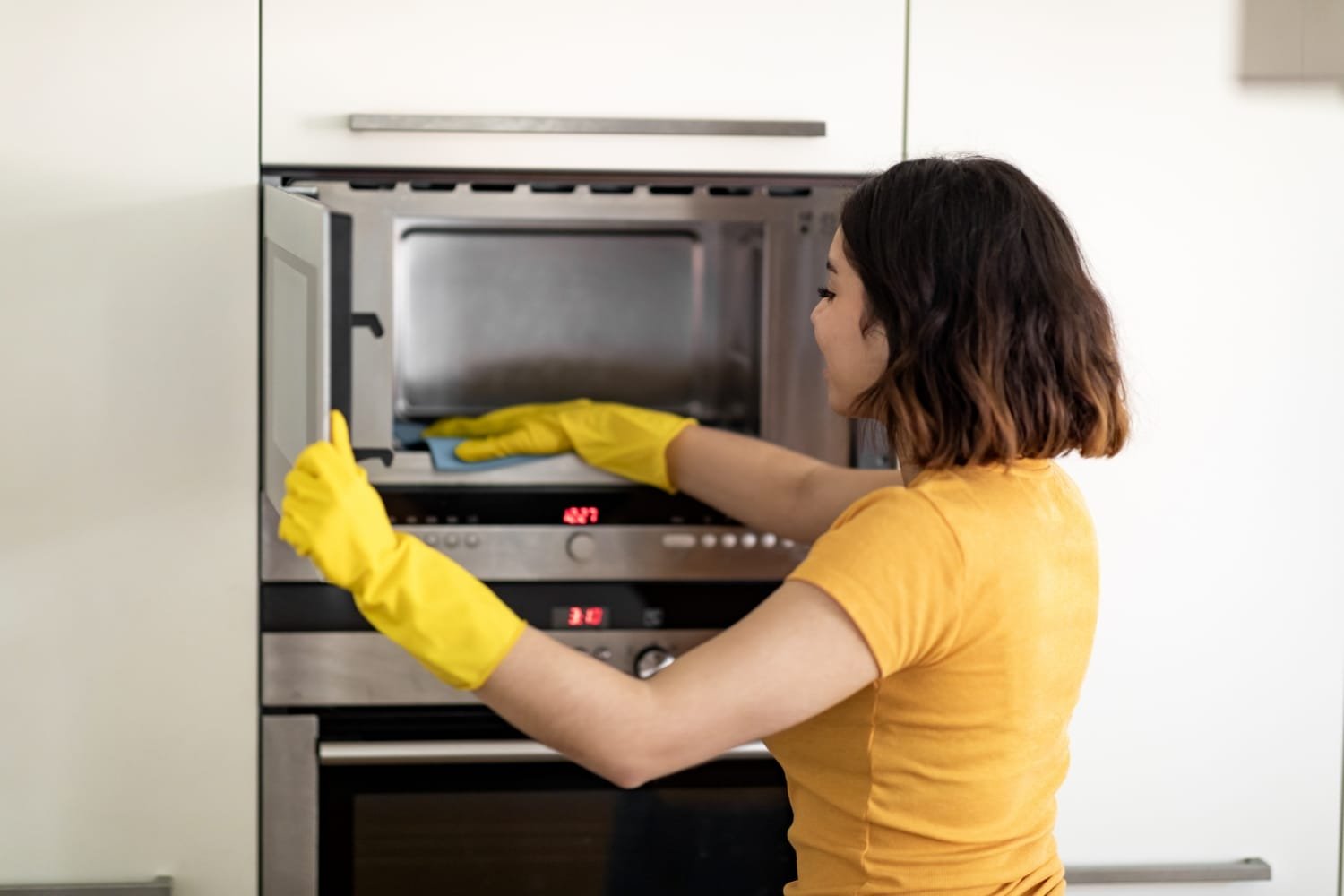
If the appliances came with heavy baked-on grease, a professional kitchen appliance cleaning can save you a full afternoon of scrubbing.
Counters, sink and backsplash
- Clean counters with a product suited to the material. Natural stone such as granite or marble should not be cleaned with vinegar or other acids.
- Scrub the sink and faucet, including the base where grime collects.
- Degrease the backsplash and the wall behind the stove.
- Disinfect high-touch spots last: faucet handles, cabinet pulls and light switches.
Bathroom Move-In Checklist
Bathrooms are the other must-do room. Hard water is common across much of Maryland, so expect mineral film on glass and fixtures; our guide on how to remove hard water stains covers safe methods for each surface.
| Area | Task | Why it matters |
|---|---|---|
| Toilet | Scrub bowl, then disinfect seat, lid, handle, base and the floor around it | Highest-germ area; the base and floor are often skipped |
| Shower and tub | Remove soap scum and mineral film; scrub grout lines | Prevents buildup from setting in further |
| Grout and caulk | Check for mold or gaps; note damage | Gaps let water behind tiles |
| Vanity and medicine cabinet | Empty, wipe inside and out | Previous occupants often leave residue and hair |
| Exhaust fan | Vacuum the cover; confirm it runs | A working fan controls humidity and mildew |
| Floor | Vacuum hair first, then mop behind the toilet and door | Wet-mopping hair just spreads it around |
If grout is stained dark or the caulk is mildewed, you may need more than a surface clean. See our step-by-step on how to clean grout, or book a bathroom deep cleaning or professional tile and grout cleaning if the job is bigger than a weekend.

Bedrooms, Living Areas and Closets
Walls, doors and trim
- Spot-clean scuffs and fingerprints with a damp cloth and mild cleaner. Test first on flat paint, which can show wipe marks.
- Wipe light switches, outlet covers, doorknobs and door edges.
- Dust and then damp-wipe baseboards. It is far easier with no furniture in the way.
Windows and blinds
- Vacuum window tracks first, then wipe them with a damp cloth.
- Clean the glass inside and wipe sills. Exterior glass on upper floors is a job for a professional window cleaning crew with the right equipment.
- Dust blinds slat by slat or take them down to wash.
Closets
- Dust shelves and rods from the top down and vacuum the closet floor and corners.
- Check for moth activity, mustiness or moisture, especially in closets on exterior walls.
Carpets and floors
Vacuum carpets slowly in two directions. If the previous occupants had pets or the carpet smells, a hot-water extraction before your furniture goes down is worth considering; our carpet and upholstery cleaning service handles this. For hard floors, sweep or vacuum, then mop with a cleaner suited to the finish.

Move-In Safety Checks Most People Skip
Move-in day is the ideal time to check the systems that keep you safe, because you are already touching every room.
Smoke alarms
Maryland’s smoke alarm law requires replacing any smoke alarm, hardwired or battery-only, once it is more than 10 years past the manufacture date printed on the back, or sooner if it fails. When a battery-only alarm is replaced, the new one must have a sealed 10-year battery and a hush button. Press the test button on each alarm, look for the date, and if you cannot find one, treat the alarm as expired. Renters should report missing or expired alarms to the landlord in writing.
Carbon monoxide alarms
If the home has gas appliances, a gas furnace, a fireplace or an attached garage, make sure there is a working carbon monoxide alarm near the sleeping areas.
HVAC filter and vents
Replace the furnace or air handler filter on move-in day. You do not know when it was last changed, and a fresh filter captures the dust stirred up by moving. Vacuum supply and return vent covers too.
Locks and keys
Homeowners should consider rekeying exterior locks, since you cannot know how many keys are in circulation. Renters should ask the landlord about the policy before changing anything.
Older homes and lead paint
Much of Baltimore City, Baltimore County and older parts of Montgomery and Prince George’s counties have homes built before 1978, when lead-based paint was still sold. If you see chipping or peeling paint in an older home, do not dry-sand or scrape it while cleaning. Wet-wipe dust and use a HEPA vacuum, and tell your landlord or a certified lead professional.
Common Move-In Cleaning Mistakes
- Unpacking first. Once boxes land on counters and furniture goes against walls, the deep clean rarely happens.
- Cleaning floors before high surfaces. Dusting a ceiling fan over a freshly mopped floor means mopping twice.
- Skipping documentation. Renters who clean without photographing first lose evidence of the original condition.
- Mixing products. Bleach plus ammonia or acid creates dangerous fumes. One product at a time.
- Using the wrong cleaner on stone or wood. Acids etch marble and granite; excess water damages hardwood.
- Forgetting inside the appliances. The fridge, oven and dishwasher filter are where previous owners leave the most behind.
- Doing it all on moving day. If you can, clean a day before the truck arrives. You will be exhausted by evening otherwise.
When to Hire a Professional Move-In Clean
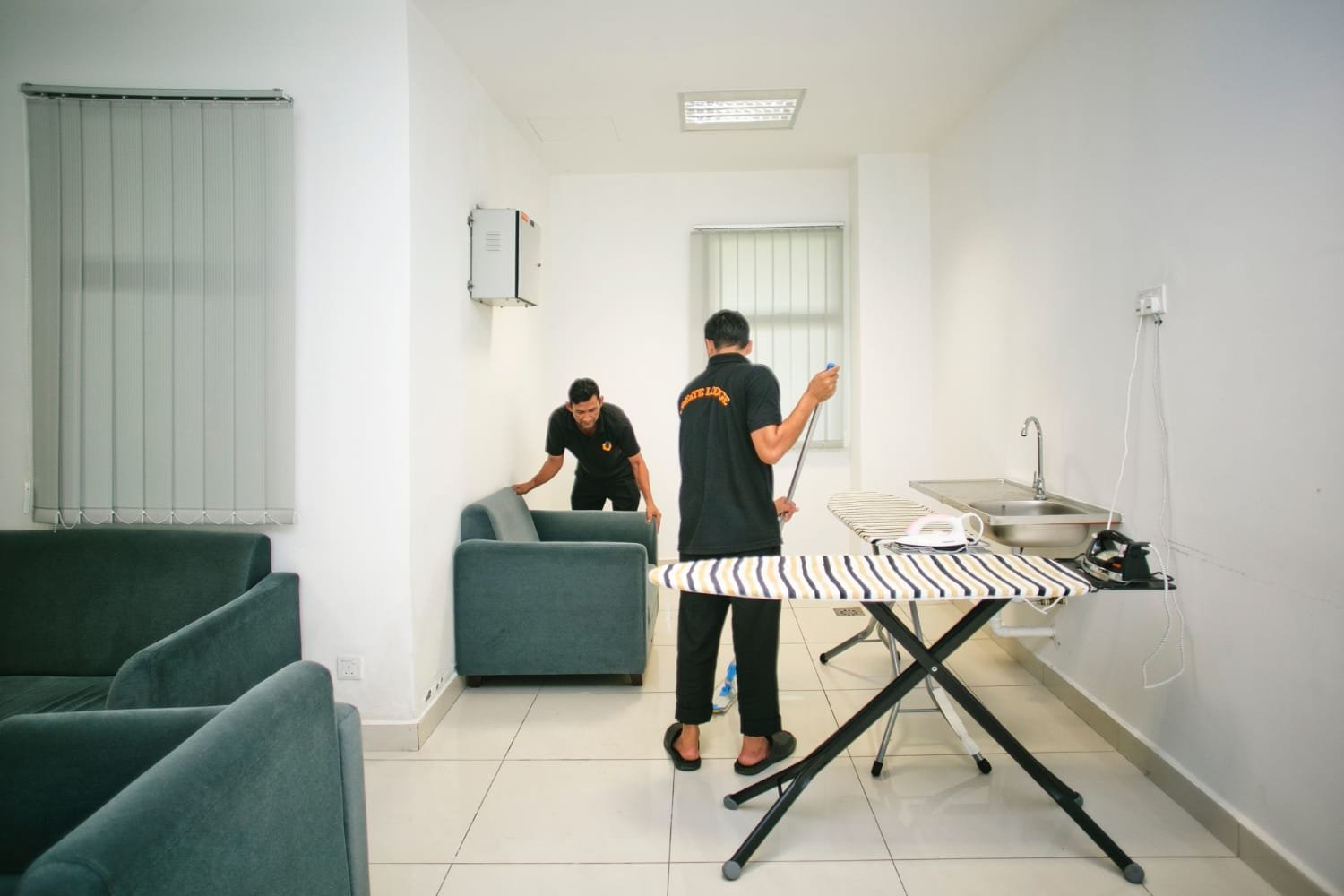
A typical move-in clean of a three-bedroom home can easily take one person a full day, and that is on top of packing, driving and unloading. Hiring help makes sense when:
- You are moving long distance and will arrive with little time or energy.
- The previous occupants left the home noticeably dirty, or had pets and you have allergies.
- You have just finished renovations; dust from drywall and sanding needs a dedicated post-construction cleaning, which our post-construction cleaning guide explains.
- You are moving with a newborn and want a carefully cleaned nursery; our baby-safe cleaning services use gentler products.
MD Clean Up’s move-in and move-out cleaning starts from $260, with a final price based on the size and condition of the home. You can see current rates on our pricing page, and our Maryland house cleaning cost guide explains what changes a quote. Our cleaners are background-checked and insured, work from detailed room-by-room checklists, can use eco-friendly products on request, and every clean is backed by our 24-hour re-clean promise.
Once you are settled, a recurring regular house cleaning keeps the home at that fresh move-in standard. If you are not sure which level you need, read our comparison of deep cleaning vs. regular cleaning.
Frequently Asked Questions
What should I clean first when moving into a new home?
Start with the kitchen and bathrooms, because those are the rooms where hygiene matters most. Within each room, dust high surfaces first, then clean cabinets and fixtures, and finish with the floors.
How long does a move-in cleaning take?
For one person, a thorough move-in clean of a typical three-bedroom home can take most of a day. A professional team can finish much faster because several cleaners work on different rooms at once.
Should I clean a new home even if the previous owner had it cleaned?
Yes, at least the kitchen and bathrooms. Turnover cleans usually focus on visible areas, so inside appliances, behind the fridge, vents, baseboards and cabinet interiors are often missed.
Do Maryland renters have a right to a move-in inspection?
Yes. Under Maryland security deposit law, a tenant can ask the landlord to inspect the unit with the tenant present and list existing damage, if the request is sent by certified mail within 15 days of moving in. Keep a copy with your lease.
Is it better to clean before or after the movers arrive?
Before. Empty rooms are far quicker to clean, and you can reach baseboards, closet floors and the space behind appliances. If possible, clean the day before your furniture is delivered.
How much does a professional move-in cleaning cost in Maryland?
MD Clean Up move-in and move-out cleaning starts from $260. The final price depends on the size of the home, its condition and any add-ons such as inside the oven or carpet cleaning.
Book a Move-In Cleaning Anywhere in Maryland
Want to walk into a home that is already spotless? MD Clean Up handles move-in cleaning across Maryland, including Ellicott City, Silver Spring, Baltimore, Bowie and Frederick. See every town we cover on our service areas page, or call (301) 313-5877.